
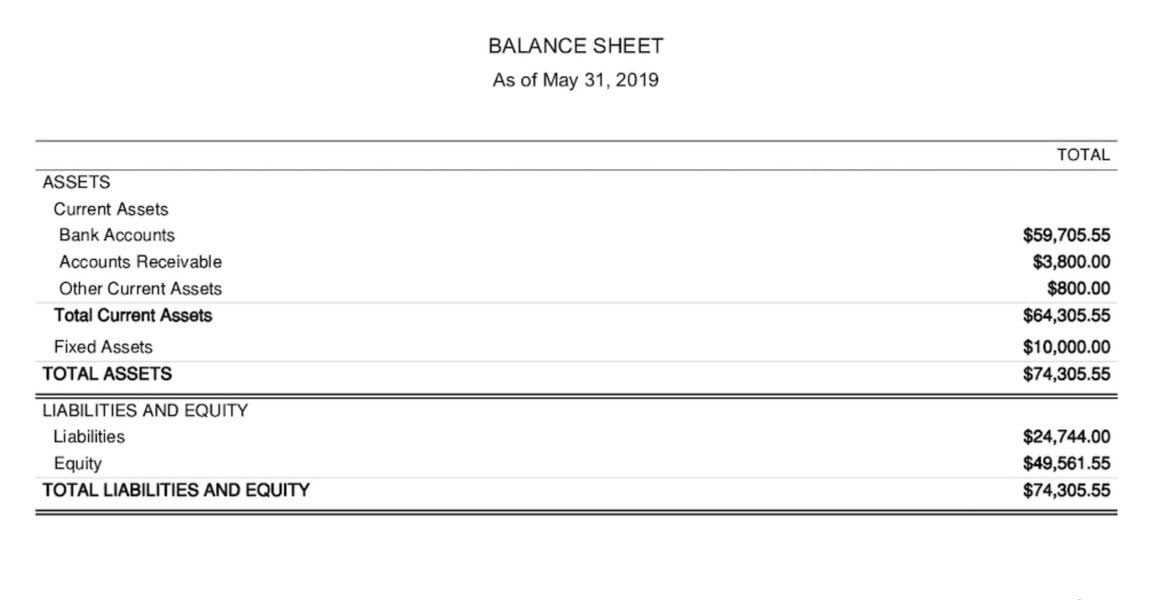
It helps ensure accurate recording, consistent classification, and reliable reporting of financial transactions. By understanding the normal balances of different accounts, accountants can maintain the integrity and usefulness of financial information. To Mental Health Billing maintain the balance sheet equation, which states that the assets must equal liabilities plus equity, every transaction must be recorded with proper debits and credits. This ensures that the equation remains balanced and that the financial statements accurately represent the financial position and performance of a business. Equity represents the owners’ residual claim on the assets of the business after deducting liabilities. This includes Owner’s Capital, Common Stock, and Retained Earnings.
The Double-Entry Environment and Chart of Accounts
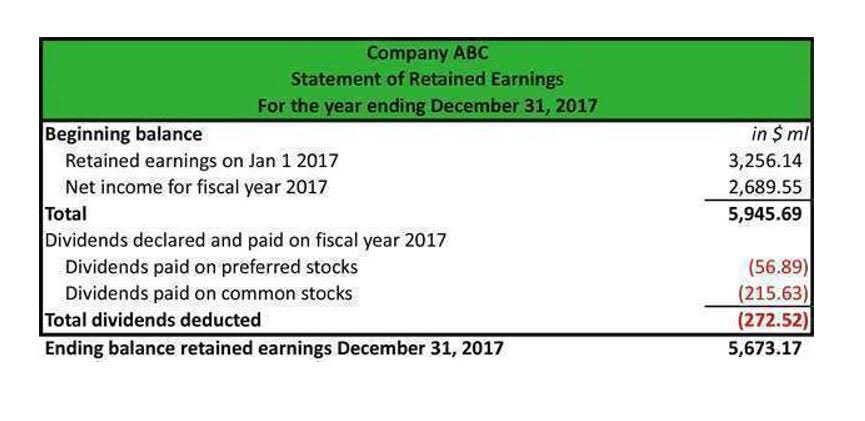
Equity accounts like retained earnings and common stock also have a credit balances. This means that equity accounts are increased by credits and decreased by debits. Asset accounts, like Cash and Inventory, have a debit for their normal balance. On the other hand, liability accounts like Accounts Payable and Notes Payable have a credit normal balance. A solid understanding of debits and credits helps keep financial records clear and effective. Accounting transactions change general ledger accounts through these entries.
- In accounting, the normal balances of accounts are the side where increases are typically recorded.
- After you have identified the two or more accounts involved in a business transaction, you must debit at least one account and credit at least one account.
- After the transfer, the temporary accounts are said to have “been closed” and will then have zero balances.
- In practice, the term debit is denoted by “Dr” and the term credit is denoted by “Cr”.
- By having many revenue accounts and a huge number of expense accounts, a company will be able to report detailed information on revenues and expenses throughout the year.
What role do debits and credits play in accounting transactions?

Again, you need to understand that the $500 credit entry to Consulting Revenues is causing a $500 increase in a permanent account that is part of owner’s equity or stockholders’ equity. The Normal balance definition means the side of an account to which either a debit or a credit is recorded as an increase according to normal what is an example of an account that has a normal debit balance? accounting rules. Double entry accounting – every transaction affects at least two accounts – one account gets debited and another credited.
Using the Normal Balance
Another way to visualize business transactions is to write a general journal entry. Let’s illustrate the general journal entries for the two transactions that were shown in the T-accounts above. In other words, these accounts have a positive balance on the right side of a T-Account. Liabilities are increased by credits and decreased by debits. Learning about financial entries is key for keeping accurate records. Real-life examples show us how transactions can affect accounts.

Debits and Credits Outline
If the revenues come from a secondary activity, they are considered to be nonoperating revenues. For example, interest earned https://dev-nbrawlapk.pantheonsite.io/2020/09/07/types-of-accountants/ by a manufacturer on its investments is a nonoperating revenue. Interest earned by a bank is considered to be part of operating revenues. A balance on the right side (credit side) of an account in the general ledger. A current asset whose ending balance should report the cost of a merchandiser’s products awaiting to be sold.
Deixe um comentário